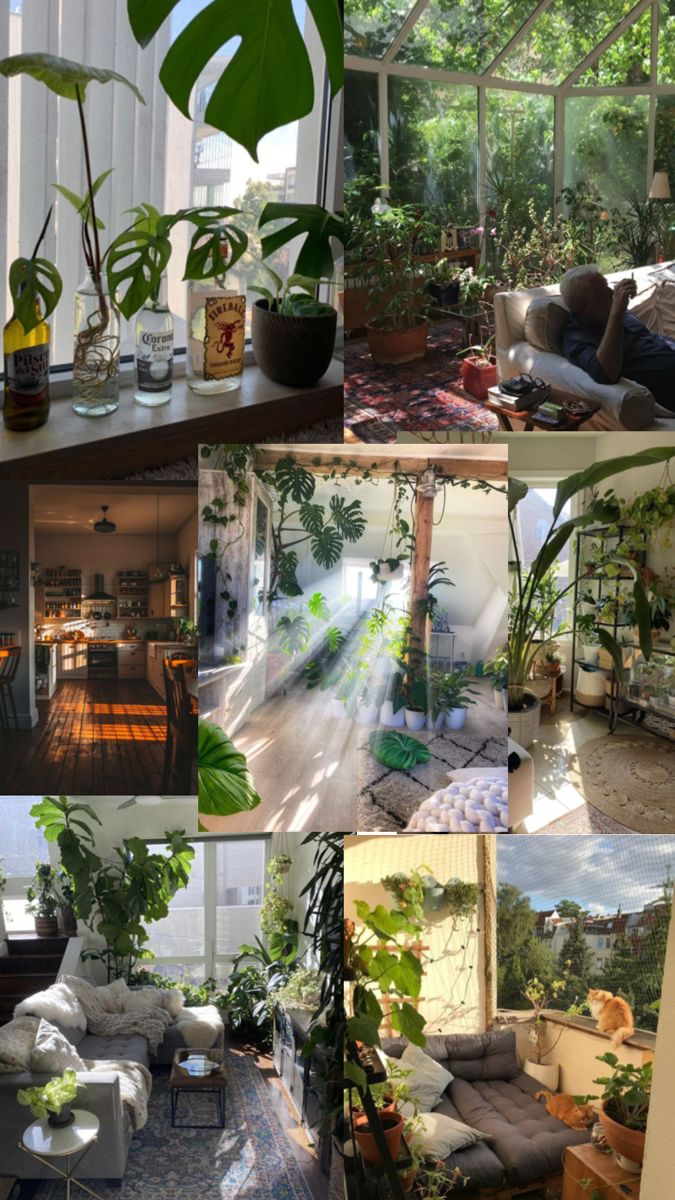
What is aesthetic?

Definition: Aesthetic describes principles concerned with beauty and the appreciation of taste. It relates to the study of sensory or sensori-emotional values - sometimes called judgments of taste.

But what does aesthetic mean to people? Some see it as soft pastels and gentle curves; others feel at home in minimal, dark, and stark compositions. Where do you feel most “like yourself”?

Default: Pastel • Toggle to Dark
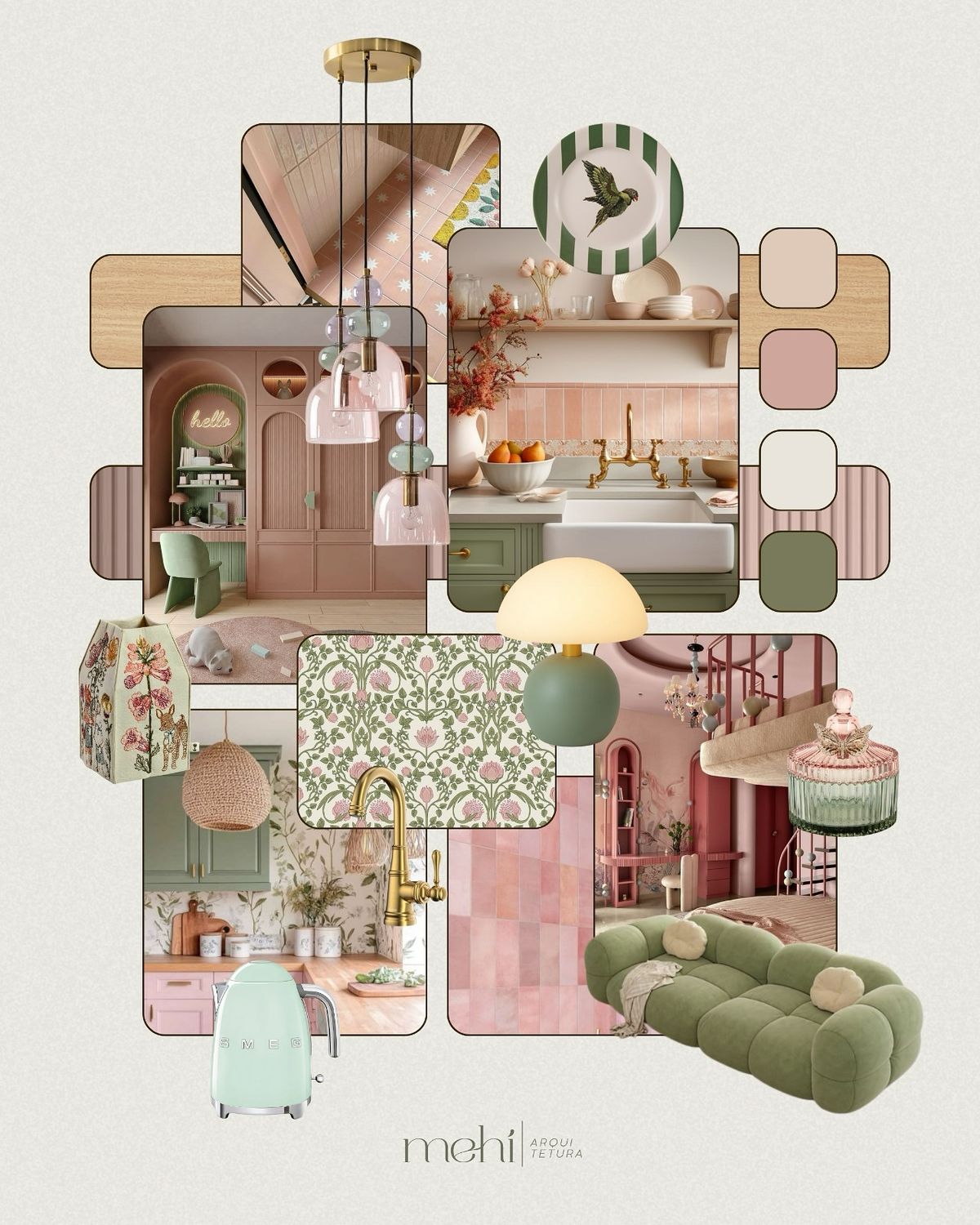
Aesthetic as mood and meaning

“Everything has its beauty, but not everyone sees it.” - Confucius

Aesthetic is not only about color or form - it’s the mood that lingers. Designers use type, color, spacing and motion to create an atmosphere: calm, dramatic, playful, nostalgic.

Notice how a rounded font feels friendlier than a sharp one, or how generous white space feels calmer than a crowded layout. Your brain is constantly reading these signals, even when you don’t realise it.

Everyday aesthetics you already curate

You practice aesthetic decisions all the time - you just call them “preferences.”

• The color of your phone case or laptop wallpaper.
• The way you arrange apps on your home screen.
• The outfits you repeat because they “feel like you.”
• The way you decorate your desk with plants, candles, or absolutely nothing.

These tiny choices create a visual rhythm around you. They tell a quiet story: cozy, bold, neat, chaotic, romantic, minimal. Aesthetic is not about being “on trend” - it’s about recognising that your taste already shapes the world you live in.

Aesthetic as identity

Over time, the things you like start to look like you. Or maybe you start to look like them.

Your aesthetic is the mood board version of your personality: colors you return to, textures you keep choosing, shapes that keep appearing in your clothes, your notes, your room, your socials.

You don’t have to fit into a single label like “cottagecore” or “cyberpunk.” Most people are a blend: soft in some corners, sharp in others. Aesthetic becomes a way to say “this is me” without having to explain it.

Little snapshots of aesthetic

Imagine these as fragments of someone’s aesthetic story - a desk, an outfit, a corner of a room. What would your strip of images look like?

Pastel room interior
A pastel room that whispers calm confidence.
Dark minimal desk
Dark and futuristic: where focus feels natural.
Cozy reading corner
A cozy corner reminding you to slow down.
Retro aesthetic desk
Retro details with a sense of nostalgia.

A brief history of aesthetic

The word aesthetic comes from the Greek aisthēsis, meaning “perception through the senses.” It originally had less to do with beauty and more to do with how we experience the world.

In the 18th century, philosophers like Baumgarten and Kant turned aesthetics into a formal field: a place to discuss beauty, art, taste, and why certain things move us. It became a way to ask: What makes something feel beautiful, and why do we disagree about it?

Today, the word has travelled far from academic texts. Online, “aesthetic” often means a visual style or vibe - a curated feed, a themed room, a certain way of dressing. But the core idea is still there: we are trying to understand why some things feel right, and others don’t.

Your aesthetic

Maybe your aesthetic is still blurry. Maybe it changes with the seasons. That’s okay. It’s allowed to be a work in progress - something you notice, play with, and slowly shape.

Look around your room, your phone, your clothes, your browser tabs. What colors keep repeating? What textures? What kind of light? Those are clues. You’re already building a visual language - this page is just here to help you see it.

Maybe aesthetic isn’t what we see,
but how we choose to see.